Skunks: Facts, Behaviors, and When to Call for Skunk Trapping in Southern Maine & NH
If you catch a whiff of that unmistakable musky odor, there’s a good chance a skunk isn’t far away. Skunks may look harmless, but once they start living under a shed, porch, deck, or crawl space, they can quickly become a persistent (and smelly) problem.
From lawn damage and burrowing to spray incidents and health concerns, skunks are one of the most common nuisance wildlife calls we receive—especially during late winter and early spring.
At Advanced Wildlife Control, we provide humane skunk trapping and skunk control in Southern Maine and New Hampshire, including prevention and exclusion solutions designed to stop the problem from coming back. If you suspect skunk activity on your property, it’s best to avoid a DIY approach and call experienced wildlife professionals.
Get to Know Skunks: Quick Facts Homeowners Should Know
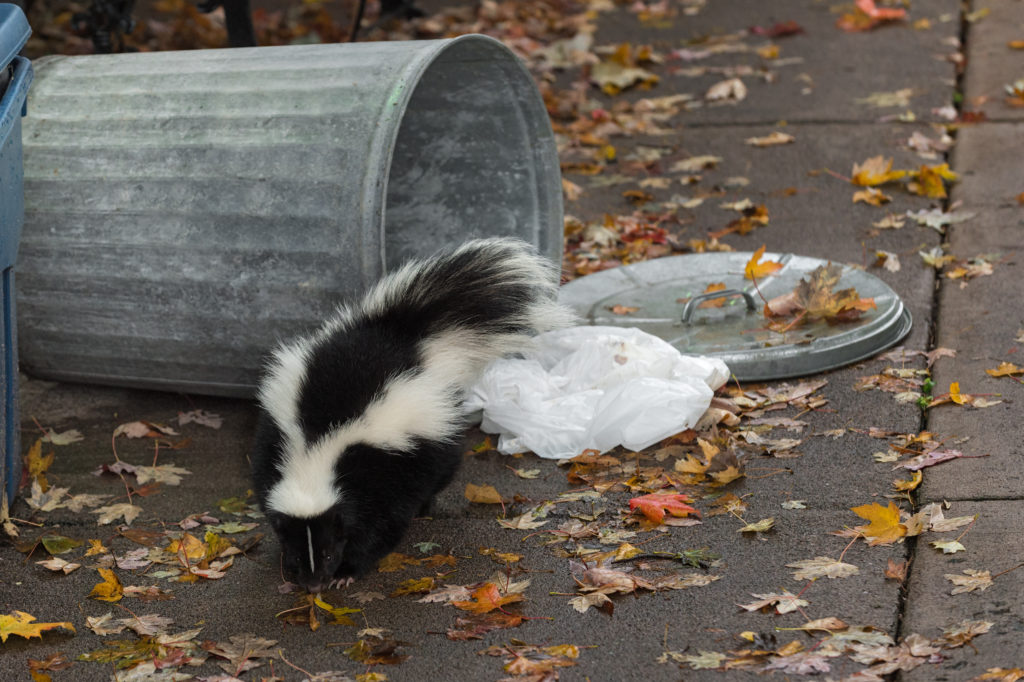
Skunks are small-to-medium mammals best known for their ability to spray a powerful odor as a defense mechanism. In Maine and New Hampshire, the most common species you’ll encounter is the striped skunk.
Here are a few fast facts:
- Appearance: Black fur with one or two white stripes from head to tail
- Size: Usually 4–10 pounds and 20–30 inches long (including tail)
- Habitat: Wooded edges, neighborhoods, fields, and areas with easy food sources
- Where they den: Under sheds, porches, decks, crawl spaces, patios, and woodpiles
- Activity: Mostly nocturnal (active at night)
Skunks are excellent at finding shelter close to people, especially when they discover easy hiding spots and reliable food sources around homes and businesses.
What Sounds Do Skunks Make?
Most people know skunks by smell, but they can be surprisingly vocal. If you hear unusual noises coming from under your deck or shed, it may be skunk activity.
Common skunk sounds include:
- Hissing
- Growling
- Squealing
- Whimpering
- Foot stomping (a warning sign before spraying)
If you notice these sounds at night near a structure, it’s time to take the situation seriously—especially if the noise continues over multiple nights.
What Do Skunks Eat (and Why That Matters for Skunk Control)
Skunks are opportunistic omnivores, meaning they eat a little of everything. That’s why they’re so likely to stick around once they find a property with food access.
Common skunk foods include:
- Insects (grubs, beetles, crickets, grasshoppers)
- Small rodents (mice, baby rats)
- Amphibians (frogs, salamanders)
- Bird eggs
- Berries and fruit
- Pet food and garbage
- Carrion (dead animals)
One of the first visible signs of skunks is lawn damage. If you see small cone-shaped holes across your yard, skunks may be digging for grubs at night.
Why Skunks Become a Nuisance Around Homes and Businesses
Skunks are not typically aggressive, but skunk problems can escalate quickly when they move in close to your home or commercial building. Skunk control becomes important when they begin burrowing, spraying, or attracting other wildlife.
Skunks can:
- Spray pets or people when startled
- Burrow under sheds, decks, porches, and foundations
- Dig up lawns searching for insects and grubs
- Raid trash cans and outdoor pet food
- Create strong odors that linger near entrances and vents
- Carry parasites and potential diseases (rabies concerns exist in wildlife populations)
- Attract predators such as coyotes or foxes
If skunks are using your property as a den site, skunk trapping and prevention are often the best next steps to protect your home and prevent recurring issues.
Signs You May Have a Skunk Living Under Your Deck or Shed
If you’re seeing or smelling any of the following, it may be time to schedule professional skunk control in Southern Maine or NH:
- Persistent skunk odor near the home
- Cone-shaped holes across the lawn
- Trash cans repeatedly disturbed
- Noises at night (hissing, squealing, scratching beneath structures)
- Visible burrow openings around the foundation, shed, or woodpile
- Droppings that resemble cat droppings (often with insect parts)
Skunks commonly choose quiet areas under decks, porches, and sheds because they feel protected and hidden. If you wait too long, den activity can increase—especially during mating season or when young are present.
Why DIY Skunk Removal Is Risky
DIY skunk removal can go wrong fast. Even one mistake can lead to an unpleasant spray incident, property damage, or a safety issue.
Skunks may spray when startled, cornered, or threatened. They can also scratch or bite, especially if a mother skunk is protecting a den site.
In addition, skunks are considered high-risk animals in many areas due to rabies concerns, and skunk trapping must be handled properly and humanely. The safest approach is always to work with professionals who understand behavior patterns, legal requirements, and prevention methods.
Skunk Trapping and Skunk Control in Southern Maine & NH
At Advanced Wildlife Control, we specialize in humane skunk trapping, skunk removal, and long-term skunk prevention for residential and commercial properties.
We help homeowners and businesses throughout Southern Maine and New Hampshire by safely addressing skunk problems at the source.
Our trained team can:
- Identify den sites and active skunk activity
- Implement humane skunk trapping when needed
- Remove skunks safely and professionally
- Provide skunk control recommendations for the property
- Seal vulnerable areas to help prevent re-entry
- Assist with odor control and cleanup solutions
- Reduce the chance of repeat skunk problems
If you’re dealing with skunks under your deck, near a foundation, or around a business entrance, we can help you act quickly and prevent a bigger issue.
Skunk Prevention Checklist (Homeowner Tips)
If you want to reduce the chance of skunks moving in, here are some practical prevention steps.
Around the Yard
- Secure trash cans with tight-fitting lids
- Remove outdoor pet food at night
- Keep compost covered and maintained
- Eliminate brush piles, woodpiles, and debris
- Trim overgrown shrubs near foundations
Around the Home
- Inspect decks, sheds, and crawl spaces for openings
- Use sturdy screening or barriers where appropriate
- Fill old burrows near the foundation (once confirmed inactive)
- Add motion-activated lighting in high-activity areas
- Keep garage doors closed overnight
Common Signs of Skunk Activity
- Persistent musky odor
- Small holes in the lawn from digging
- Nighttime noises under structures
- Disturbed trash or pet food
- Droppings with insect remains
Need Skunk Trapping or Skunk Control? Call Advanced Wildlife Control
Don’t wait until a pet gets sprayed or the smell becomes constant. If you suspect skunks are living on your property, the best time to act is now.
Advanced Wildlife Control provides skunk trapping and skunk control in Southern Maine and New Hampshire, with humane solutions that protect your home, family, and property.
Schedule your inspection today and get peace of mind before a small problem becomes a bigger, smellier one.